Sensory Play Is Serious Learning
Sensory play can be simple, using water, sand, dough, or natural materials but the learning is powerful. When children explore through touch, movement, sound, and even smell, they’re building essential foundations for communication, thinking, and self‑confidence.
How Sensory Play Builds Early Skills
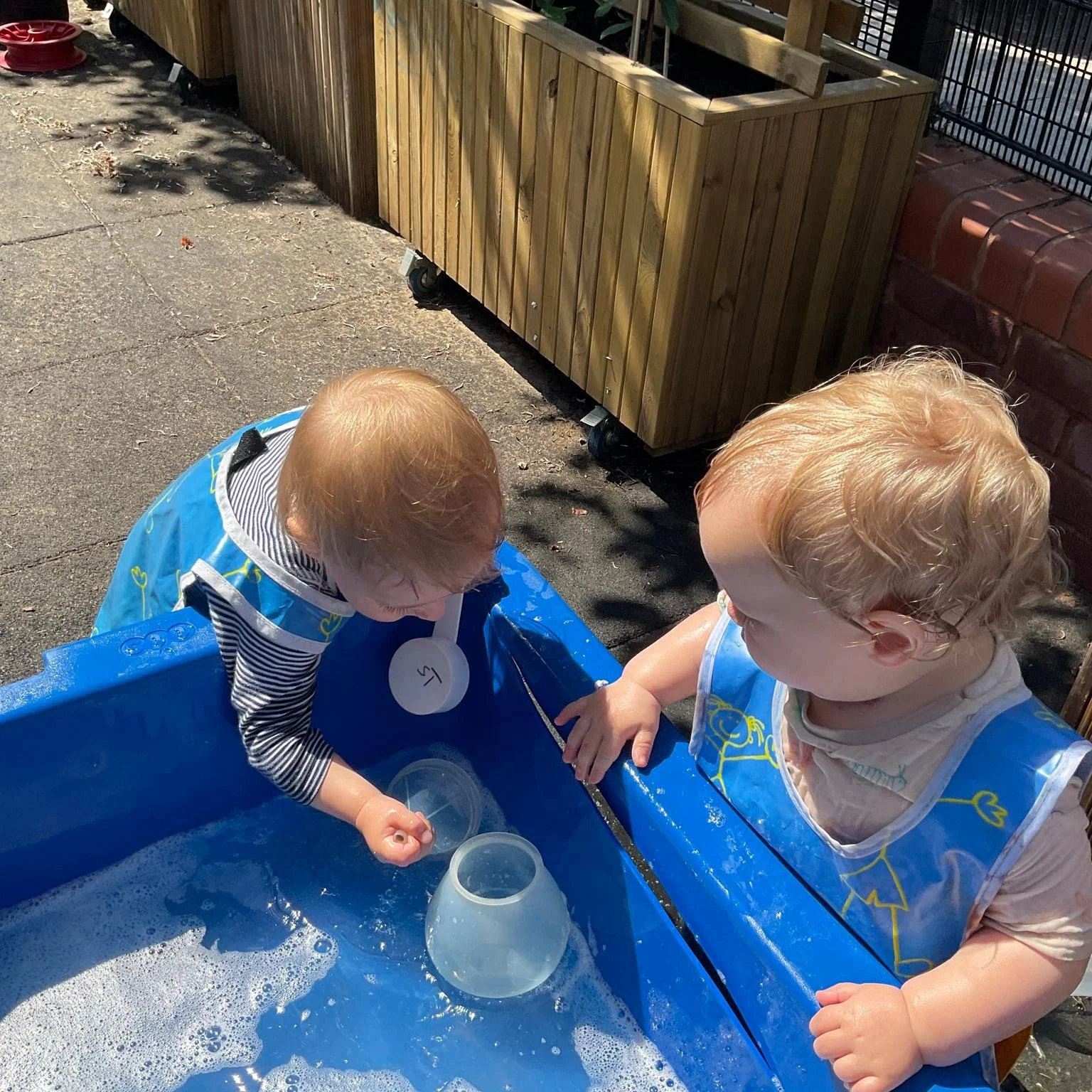
As children scoop, pour, squeeze, shake, or explore textures, they are actively developing:
Language skills – describing what they feel, notice, and experience.
Concentration and focus – staying with an activity that engages their senses.
Problem‑solving – testing ideas, noticing what changes, and trying new approaches.
Fine and gross motor skills – strengthening muscles needed for later writing, feeding, dressing, and more.
These are core experiences that help children understand how the world works.
Sensory Play and the Reggio Emilia Approach
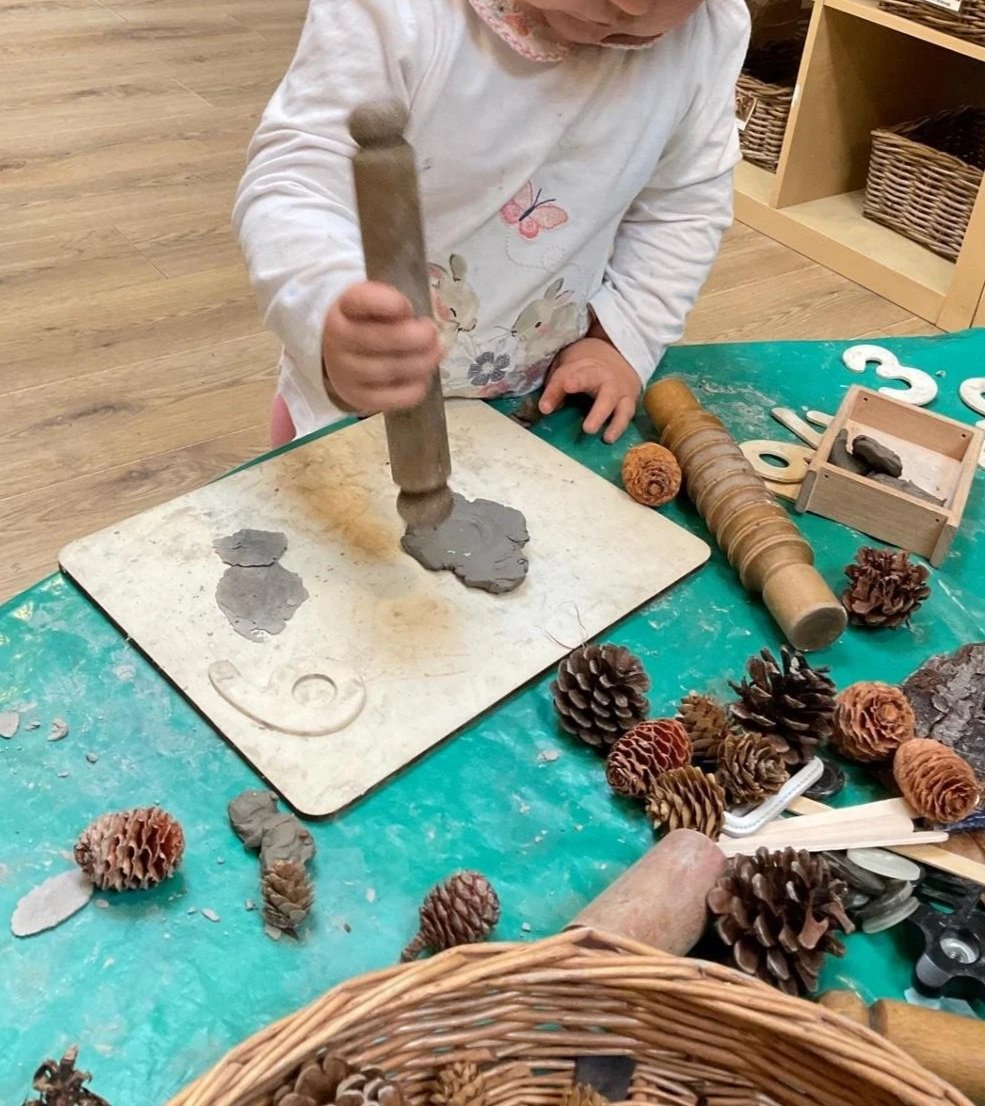
In the Reggio Emilia approach, sensory exploration is valued as a core way of learning. Children are seen as capable, curious thinkers who make meaning through hands‑on investigation. Materials are chosen to invite discovery, independence, and creativity. Sensory play becomes a bridge between curiosity and understanding.
When children play with natural or open‑ended materials, they are:
forming ideas about cause and effect
expressing themselves through movement and action
building early scientific thinking
learning through trial and error in a safe, playful way
Simple Ways to Explore Sensory Play at Home
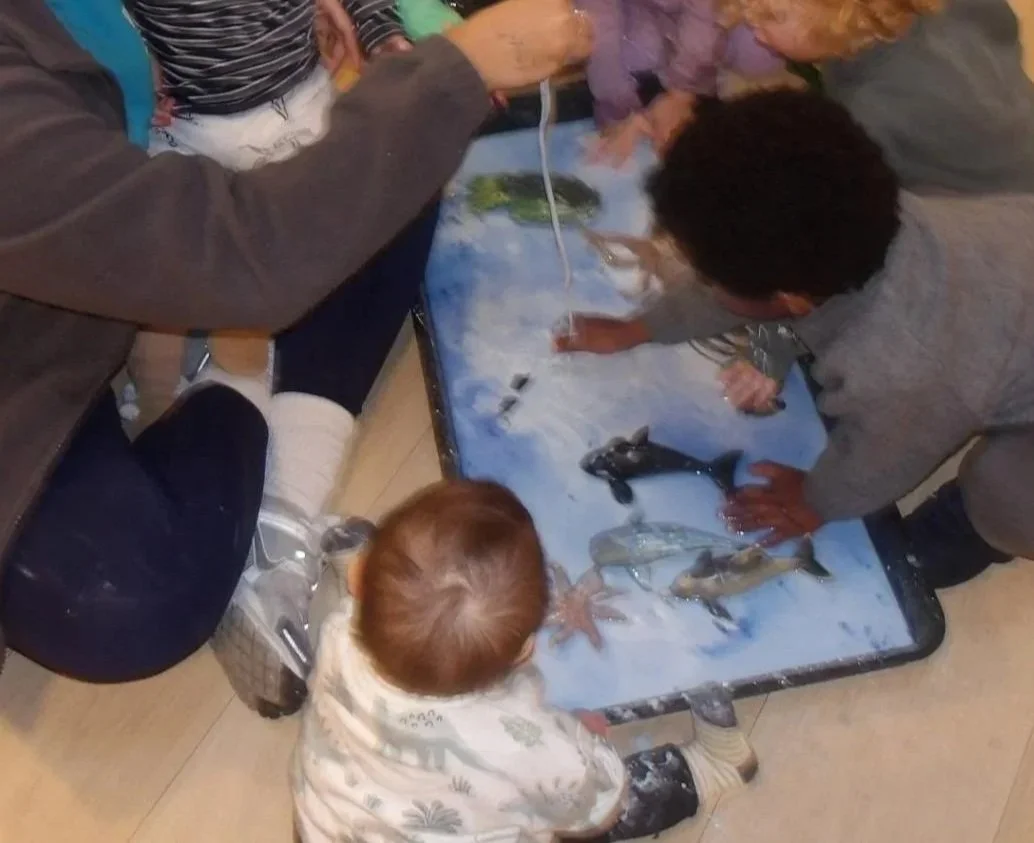
💦 Water play in a bowl or sink
🍃 A handful of natural items: leaves, stones, shells
🔊 Homemade playdough or simple flour-and-water dough
🎀 Fabrics, scarves, or ribbons to explore touch and movement
The key is giving children time, space, and freedom to explore in their own way.
Want some more home-learning tips? check out these parenting apps.