
Reggio Inspired Activities to Try at Home
Our early education approach is inspired by the Reggio Emilia philosophy, which sees children as capable, curious learners.
Play is a powerful way for children to explore, express themselves, and make sense of the world. Whether they’re building with blocks or making a pretend meal, they’re learning every step of the way.
Here are some simple Reggio-inspired activities you can try at home to support your child’s learning through play.
Nature Table
What you need: Leaves, sticks, stones, flowers, shells—anything your child finds outside!
What to do: Create a small display area where your child can collect and arrange their natural treasures. Encourage sorting, categorising, and storytelling.
Why it works: Nature tables spark curiosity and conversation. Children learn through touch, observation, and imagination.

Loose Parts Play
What you need: Buttons, bottle caps, corks, wooden blocks, string, fabric scraps, pegs, etc.
What to do: Lay out the materials and let your child explore and create—no instructions needed!
Why it works: Loose parts play encourages creativity, problem-solving, and open-ended thinking.
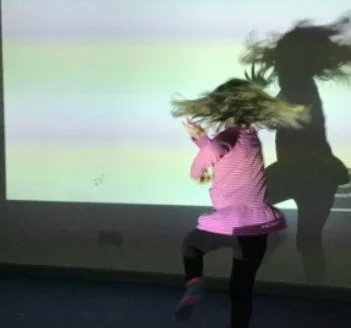
Shadow Play
What you need: A torch (or a lamp), toys or hand shapes, and a blank wall or sheet.
What to do: Turn off the lights and shine the torch to make shadows. Try shadow puppets or see how objects’ shapes change in the light.
Why it works: This activity promotes curiosity about light, science, and storytelling.
Mirror Exploration
What you need: A child-safe mirror, objects, or loose parts.
What to do: Let your child observe themselves and objects in the mirror. Try placing items on the mirror or drawing around reflections.
Why it works: Mirrors encourage self-awareness, symmetry, and visual exploration.
Clay or Playdough Creations
What you need: Playdough or homemade salt dough, and tools like sticks, spoons, or leaves.
What to do: Let your child shape, squash, and sculpt freely. Add natural items for texture and decoration.
Why it works: Tactile exploration supports fine motor skills and self-expression.
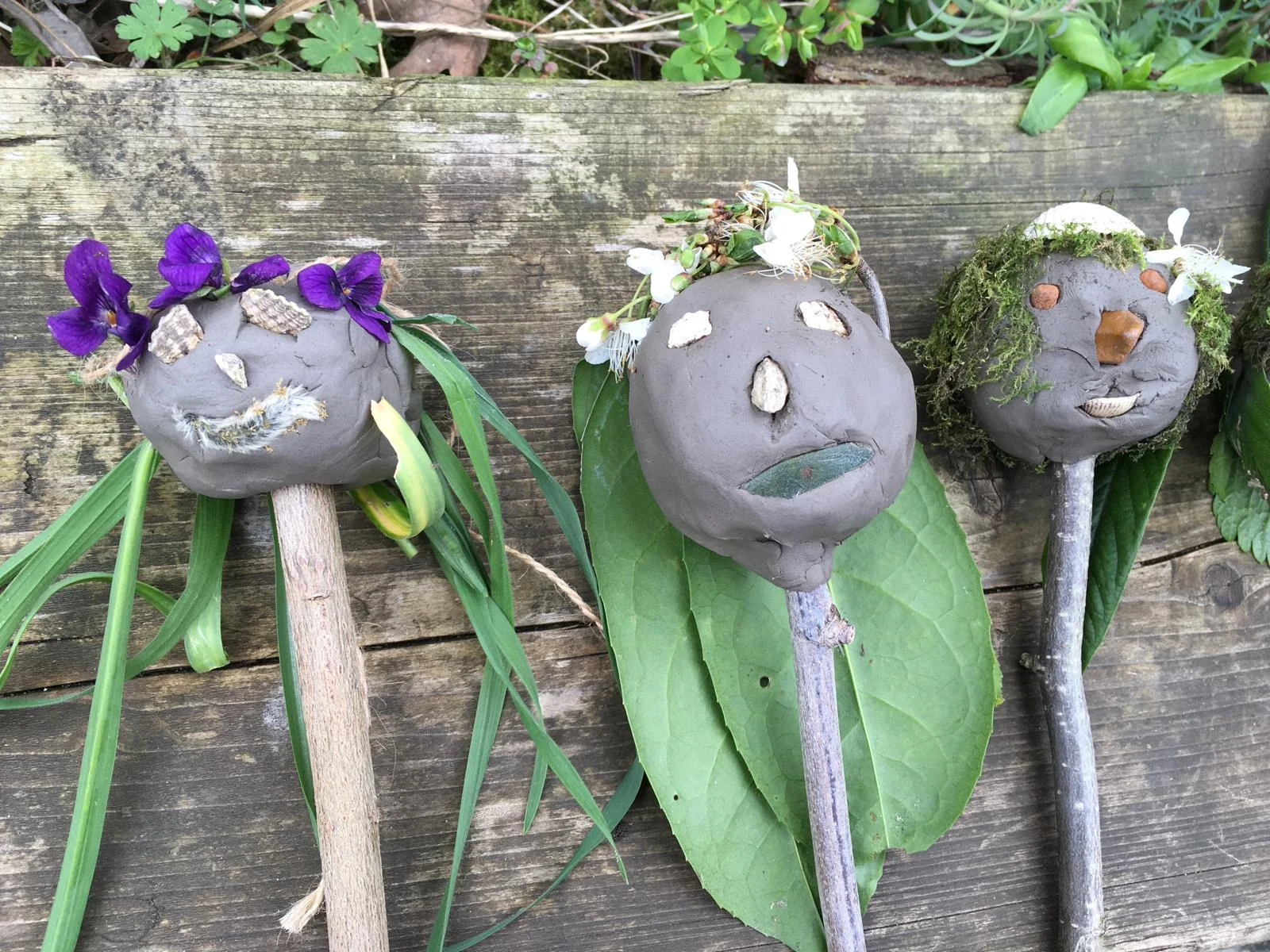
Photo Stories
What you need: A phone or camera.
What to do: Let your child take photos of things they find interesting. Print them or view them together and invite your child to tell the story behind each image. (Tip - some online photo printing companies offer free prints - you just pay delivery)
Why it works: This activity boosts observation skills, language development, and creativity.
Mini Project Work
What you need: Paper, crayons, books, and a topic your child is curious about (e.g. dinosaurs, rain, trains).
What to do: Follow your child’s interest! Read about it, draw pictures, build models, or watch videos together.
Why it works: Reggio values child-led projects that evolve naturally. Learning is most powerful when children lead the way.
