Finding the Right Screen Time Balance
In today’s tech-filled world, screens are everywhere, from phones and tablets to TVs and laptops. While screens can be a source of entertainment and even education, finding the right balance for babies and toddlers is key to supporting healthy development.
How Much Screen Time Is Too Much?
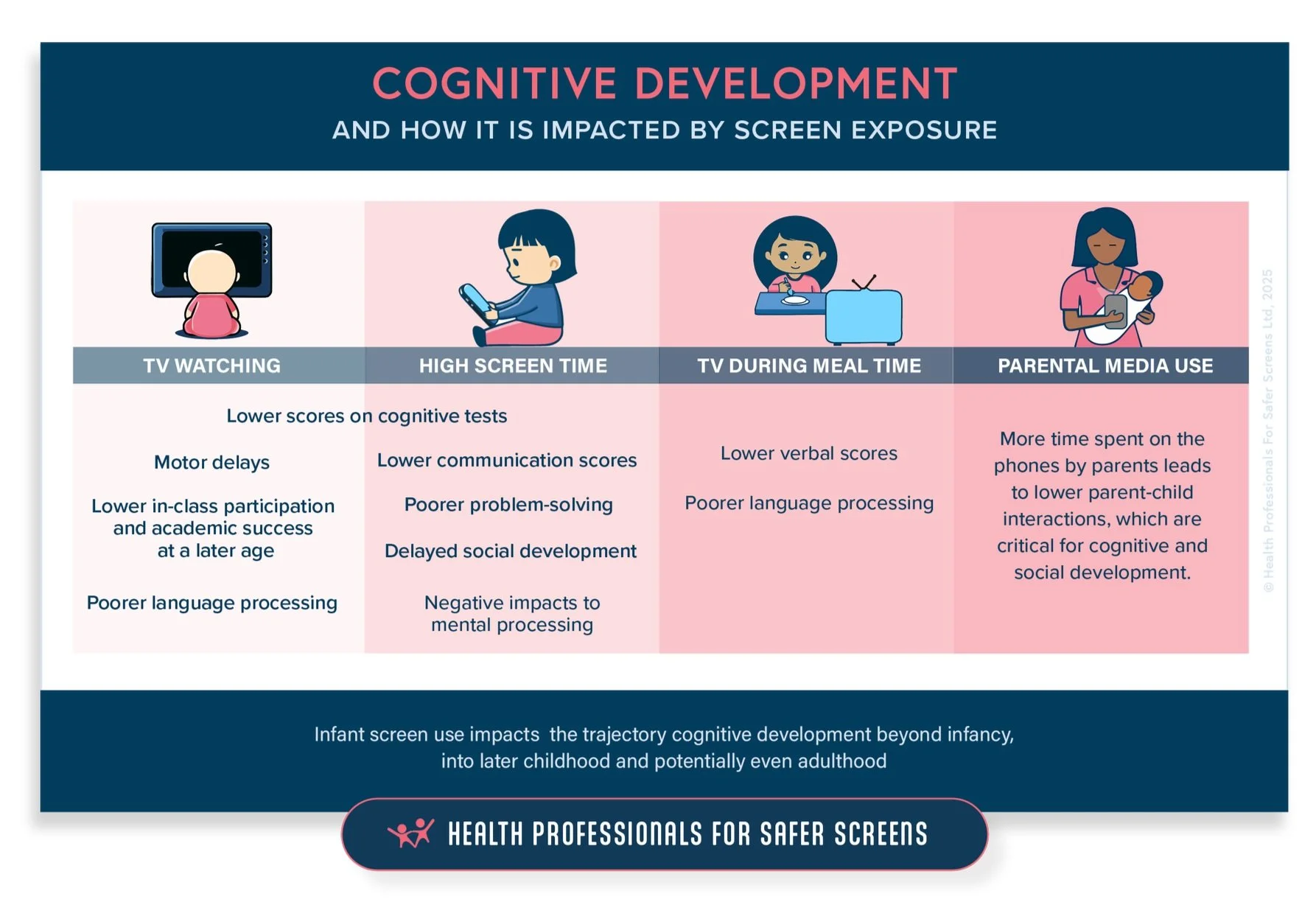
For children under 2, experts recommend minimal to no screen time, aside from video chatting with loved ones. For toddlers (ages 2–5), screen time should be limited to about 1 hour per day of high-quality, age-appropriate content. More than that can interfere with sleep, attention, and physical activity.
Why It Matters
At this age, real-world interactions are far more valuable than screen-based ones. Babies and toddlers learn best by exploring the world around them—touching, moving, listening, and engaging with people. Too much screen time can reduce opportunities for active play, face-to-face communication, and quality bonding time.
Screens and Bedtime Don’t Mix
One of the most important times to reduce screen use is before bed. The blue light from screens can disrupt melatonin production, making it harder for kids to wind down and fall asleep. Aim to turn off all screens at least an hour before bedtime and replace them with calming activities like:
Reading a story together
Playing quietly with soft toys or puzzles
Gentle music or lullabies
A warm bath or snuggly routine
💡 Tips for a Healthy Screen Routine
Set a daily limit and stick to it
Choose high-quality, age-appropriate content
Watch together when possible and talk about what you’re watching
Keep bedrooms screen-free zones
Model healthy screen habits as parents
Remember:
Balance is key. Screens can be part of your child’s day, but real-world experiences, play, and face-to-face interaction should take centre stage—especially before bedtime.