
Learn Maths Through Play
Before children can confidently add or subtract, they first need to explore ideas like shape, space, size, pattern, measure and problem-solving through real experiences and play.
Whether they’re building towers, pouring water, spotting patterns or working out how many jumps it takes to reach the tree, children are developing the foundations for mathematical thinking.
Maths in the early years can be part of everyday life. Through play, children develop confidence to explore, test ideas and make sense of the world around them.
Here are some simple activities to build maths into everyday play at home…
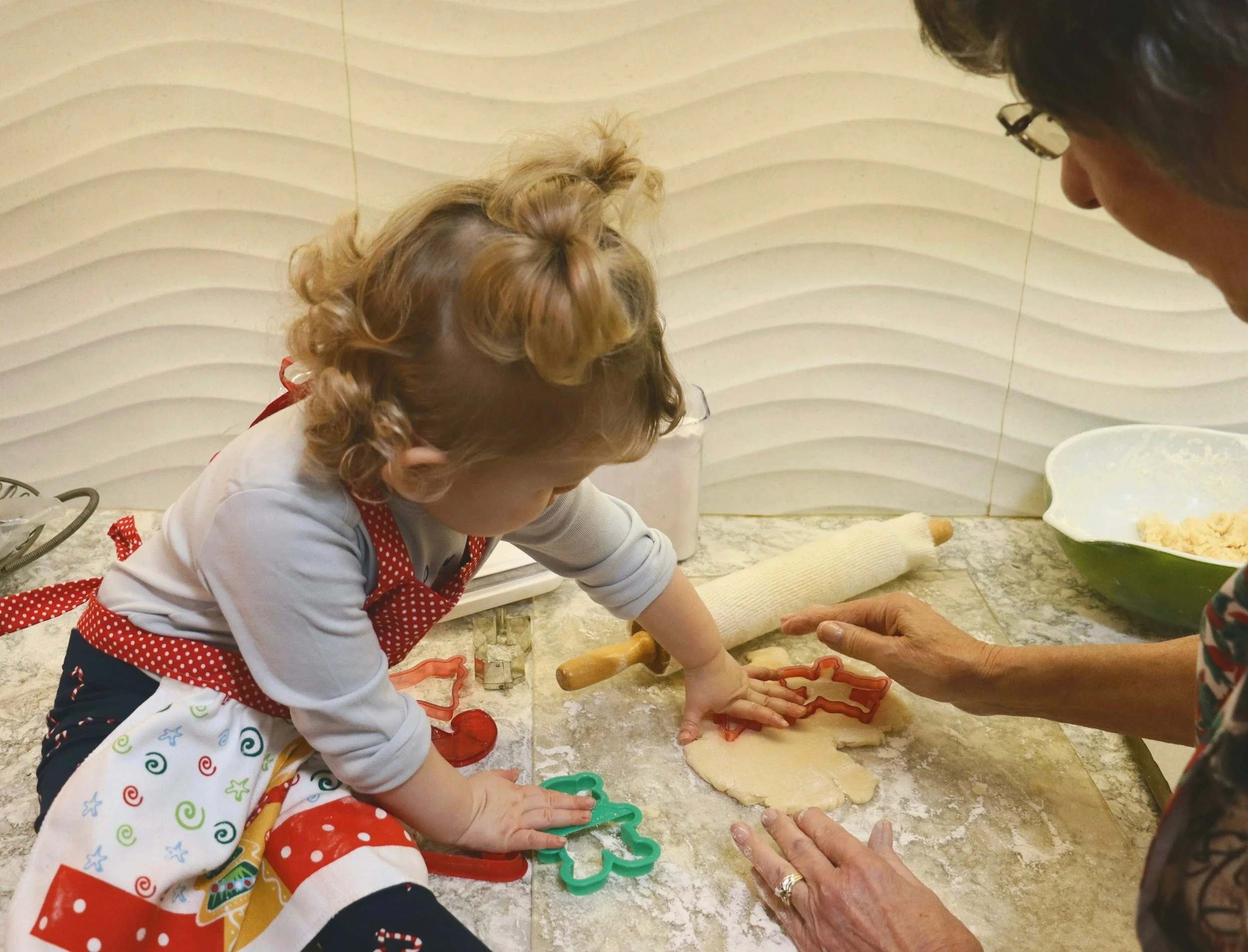
Baking, Pouring and Mixing
Baking introduces children to measuring, volume, quantity and change.
Scooping, filling containers, pouring water and measuring ingredients all support mathematical understanding. Children begin noticing concepts like full and empty, heavy and light, more and less.
Baking is a great STEM activity all round, it encourages sequencing and prediction: what happens first, what comes next, and what changes when ingredients are mixed together.
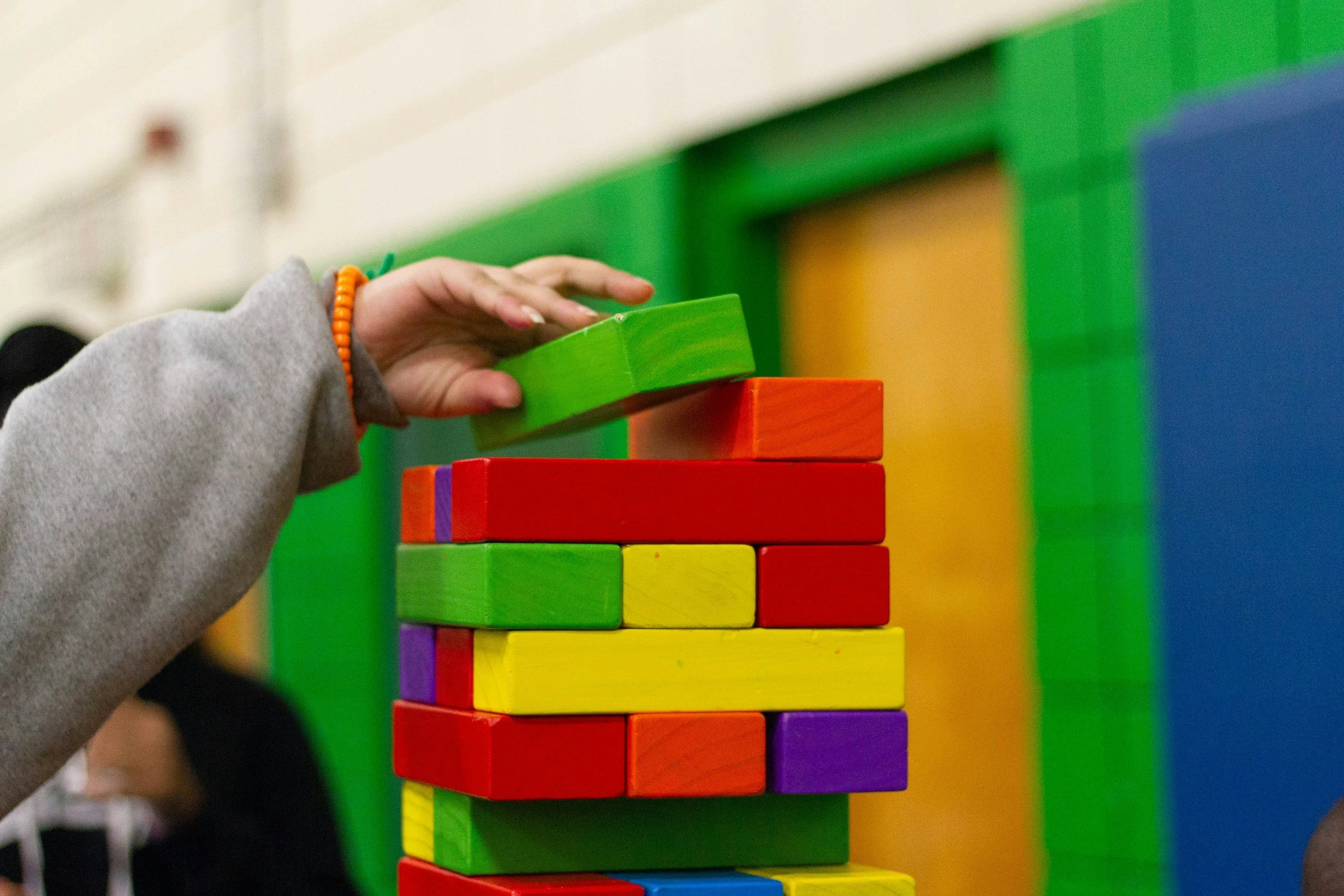
Building, Stacking and Measuring
Blocks, cardboard boxes, cushions or cups are brilliant for early maths learning. As children build and balance, they begin exploring size, height, shape and spatial awareness.
You can introduce mathematical language naturally through play:
“Which tower is taller?”
“How many blocks wide is it?”
“What could make it stronger?”
Children are also learning problem-solving skills — testing ideas, predicting what might happen and adapting when things collapse or don’t fit.
Shape and Spatial Awareness
Shapes are everywhere. Go on a shape hunt indoors or outside and look for circles, triangles, rectangles and curved lines in everyday objects.
Talking about position and direction is just as important as naming shapes:
“Is it under or over?”
“Can you fit it inside?”
“What happens if we turn it around?”
These experiences help children develop spatial reasoning, which supports later skills in maths, writing, construction and even sport.

Patterns and Sequences
Pattern recognition is a key part of early mathematical thinking. It helps children notice order, predict what comes next and begin making connections.
You could create patterns using leaves, toy cars, pegs, snack items or coloured socks:
red, blue, red, blue
clap, stomp, clap, stomp
big leaf, small leaf, big leaf
Once children understand simple repeating patterns, they often begin inventing their own rules and sequences through play.
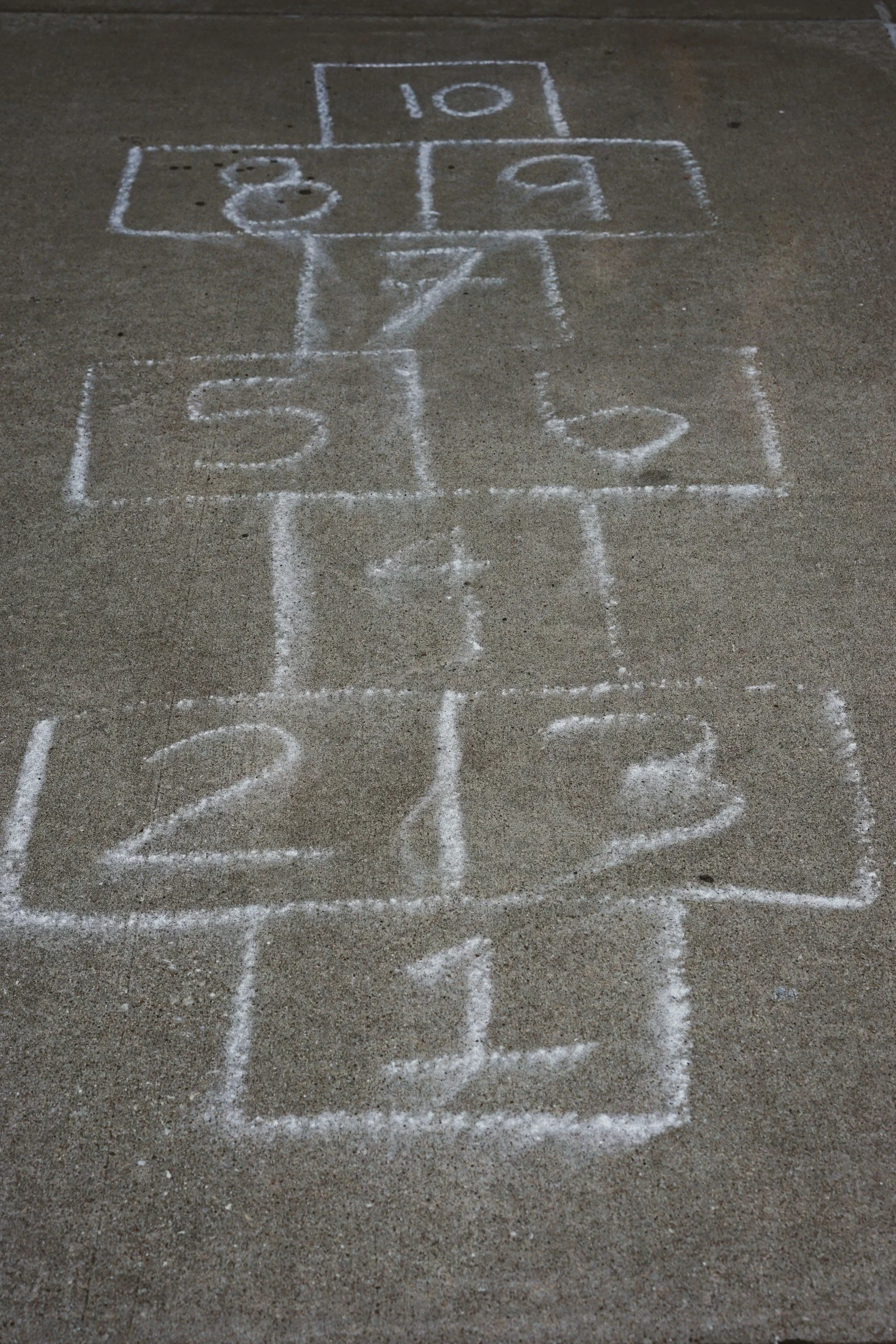
Maths Through Movement
Physical play is full of mathematical learning. Counting steps, timing races, comparing distances or working out how many jumps it takes to cross a puddle all help children connect maths to real experiences.
Movement games also build understanding of measure and comparison:
Who jumped furthest?
Which took longer?
Can you do one more hop?
Young children learn best when they can see, feel and experience ideas physically rather than just hearing numbers spoken aloud.
The 50 Things to Do Before You’re Five app includes lots of activities that support early maths learning through play and exploration.
Some great activities to try are:
No 24. Hop Skip Jump - for counting and addition
No 47. Get Southwark Baking - a great STEM activity.
No 46. Fantastic Paper Folding— great for exploring shape, pattern and spatial thinking.