A woman is killed by a man every three days in the UK. The police receive a domestic abuse-related call every 30 seconds. Fewer than a quarter of those crimes are ever reported.
If you need someone to talk to, we're here to listen and support you.
You can speak to a member of the 1st Place team if you're experiencing domestic abuse, violence, harassment or are worried about someone you know. You don't have to have all the answers or know where to turn.
We're here to listen and help you find the right support.
For information about domestic abuse, sexual violence, harassment and other forms of gender-based violence, Southwark Council has a dedicated section explaining the different types of abuse, where to get help and the support services available locally.
Find out more about the Women's Safety Alliance and other support available to people living in Southwark.
Raising awareness of gender-based violence
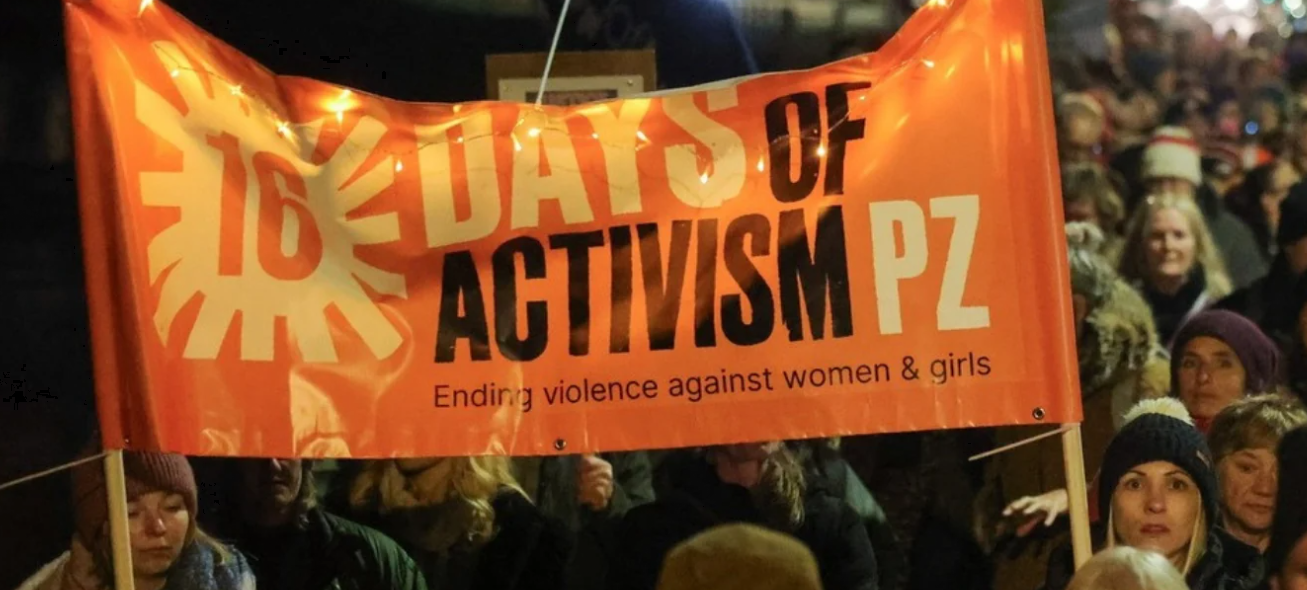
Every year, from 25 November to 10 December, people around the world come together for the 16 Days of Activism Against Gender-Based Violence. It's a global campaign to raise awareness, challenge harmful attitudes and take action to end violence against women and girls.
Gender-based violence happens every day. It takes place in homes, relationships, communities and online spaces, affecting women and girls of all ages and backgrounds.
The scale of the problem is reflected in new research published by UN Women UK in November 2026. Its findings show just how widespread sexual harassment remains, and how much more needs to be done to make women feel safe.
A YouGov survey commissioned by UN Women UK asked women about their experiences of sexual harassment. The findings include:
76% of women have experienced sexual harassment in a public space, up from 71% in 2021.
93% of women aged 18–24 have experienced sexual harassment in a public space, compared with 86% in 2021.
95% of lesbian, gay and bisexual women have experienced sexual harassment in a public space.
39% of women have experienced online harassment, rising to 60% among women aged 18–24.
Just 19% of women reported their experiences. Nearly half didn't believe reporting would help.
These figures highlight not only how common harassment is, but also how many women feel that speaking out won't make a difference.
Abuse isn't always physical
When we talk about domestic abuse, it's important to recognise that it isn't always physical. Abuse can take many forms, and controlling behaviour can be difficult to recognise, particularly when it develops gradually within a relationship.
This can include:
Controlling who you see, where you go or what you wear.
Monitoring your phone, messages, social media or location.
Controlling access to money, bank accounts or everyday spending.
Making threats, putting you down or making you feel frightened.
Isolating you from friends, family or other support networks.
Pressuring or forcing you into sexual activity.
Abuse can happen in any relationship, including between current or former partners and family members. It is never your fault, and you deserve to feel safe, respected and in control of your own life.
Online abuse is abuse too
Violence and harassment don't stop when we leave the house. Online spaces can also be used to intimidate, threaten, control and humiliate women and girls.
This includes unwanted sexual messages, online stalking, harassment, threats and sharing intimate photos or videos without someone's consent.
Sharing or threatening to share intimate images or videos without permission is a form of abuse and can be a serious sexual offence. This also includes digitally altered or AI-generated intimate images that appear to show someone.
If someone has shared, or is threatening to share, intimate photos or videos of you:
You can report it to the police. You can report non-consensual intimate image abuse through the Metropolitan Police website.
Contact the Revenge Porn Helpline. It offers free advice and practical help to adults aged 18 and over, including support to get images and videos removed.
Use StopNCII.org. This free tool can help prevent intimate images being shared on participating platforms by creating a digital fingerprint of the image on your device.
Report the content to the platform. Social media sites and other online platforms have reporting processes for non-consensual intimate images.
If it is safe to do so, keep relevant messages, usernames and details of where the content has been shared. You don't need to share or send the images on to anyone to ask for help.
If you are under 18, Childline's Report Remove service can help you get intimate images removed.
You don't have to face it alone: where to find support
Whether you're experiencing domestic abuse, sexual harassment, online abuse or struggling with your mental health, support is available. You don't have to wait until things reach crisis point to ask for help.
Support at 1st Place - You can speak to a member of our team if you need someone to talk to or aren't sure where to turn. We can listen, offer support and help you find the right services and advice.
Our team also offers family support, wellbeing advice and help to access other local services.
Domestic abuse support
National Domestic Abuse Helpline – free, confidential support, available 24 hours a day on 0808 2000 247.
Women's Safety Alliance – Southwark's specialist service offering support for domestic abuse, stalking, harassment and other forms of violence against women and girls. Call 020 7232 0860 or email wsa@bedehouse.org.
Women's Aid – information, advice and online support for women experiencing domestic abuse.
Sexual violence and harassment support
Women and Girls Network – free, confidential emotional support for women in London affected by sexual violence. Call 0808 801 0770.
Rape Crisis England & Wales – specialist support for anyone affected by rape, sexual assault or sexual abuse. Call 0808 500 2222.
Online abuse and image-based abuse